Mother-of-Pearl vs Metal Spoons: What Really Happens When You Eat Caviar?

Caviar is considered one of the finest delicacies in the world. But when enjoying caviar, it is not only the quality of the pearls that matters, but also the right cutlery. Many gourmets swear by mother-of-pearl spoons, while others prefer metal spoons. But what really happens when you eat caviar with a metal spoon? And why is it so often recommended to use mother-of-pearl spoons? This article explains the differences, the chemical reactions and the influence on taste and enjoyment.
Why does the cutlery matter with caviar?
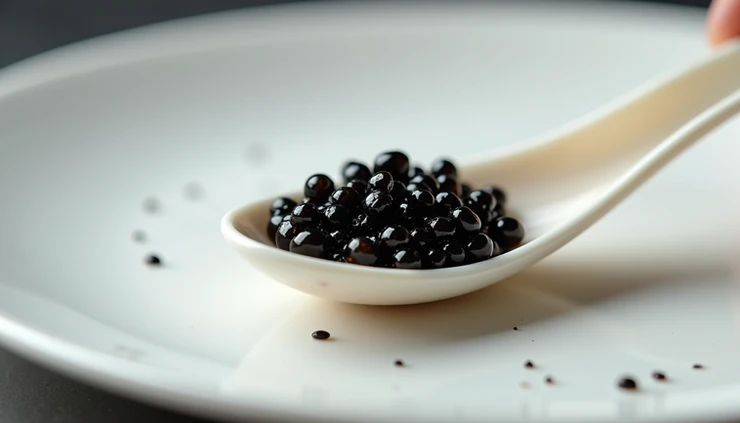
Caviar is delicate and its taste can easily be influenced. The surface of the spoon plays a decisive role, because it comes into contact with the caviar eggs. Metal spoons, especially those made of stainless steel or silver, can react with the caviar and change its taste. Mother-of-pearl spoons, on the other hand, are considered neutral and preserve the pure flavour.
How metal spoons react with caviar
Metal spoons can react slightly with the components of caviar. Caviar contains fats and proteins that can react with metals. Silver spoons in particular tend to leave a metallic note. This reaction is caused by oxidation of the metal, which distorts the taste.
Metallic aftertaste: Many people report an unpleasant metallic taste when eating caviar with metal spoons.
Change in aromas: The fine nuances of the caviar can be masked or distorted by the metal reaction.
Why mother-of-pearl spoons stay neutral
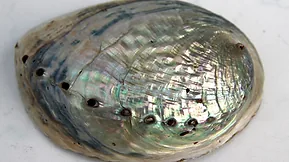
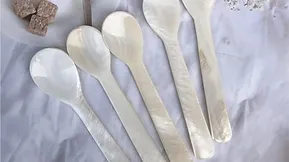
Mother of pearl is a natural material that comes from the inner layer of shells. It is smooth, non-porous and does not react with food. As a result, the taste of the caviar stays unaltered.
No reaction: Mother of pearl does not react with the components of caviar.
Gentle surface: The smooth surface protects the delicate caviar eggs from damage.
Tradition and aesthetics: Mother-of-pearl spoons have long been part of the caviar tradition and look elegant.
Practical differences in use
Besides taste, there are also practical aspects that make the difference between mother-of-pearl and metal spoons.
Durability and care
Metal spoons are robust, easy to clean and dishwasher-safe.
Mother-of-pearl spoons are more delicate, should be washed by hand and handled carefully to avoid cracks or chips.
Price and availability
Mother-of-pearl spoons are often more expensive and not found in every household. Metal spoons are cheaper and easier to get.
Look and presentation
Mother-of-pearl spoons look exclusive and underline the luxury of enjoying caviar. Metal spoons are more practical and plain.
Examples from practice
Many renowned caviar producers and restaurants expressly recommend using mother-of-pearl spoons. At tastings, the difference in taste becomes clear:
One taster described the caviar eaten with a metal spoon as "slightly bitter and metallic".
With a mother-of-pearl spoon, the same caviar tasted "pure, fresh and full-bodied".
These experiences confirm that the material of the spoon influences the enjoyment.
When are metal spoons acceptable?
In some situations, using metal spoons is not a problem:
When the caviar only stays on the spoon briefly and is eaten straight away.
With less delicate types of caviar that do not react so strongly to metal.
When no mother-of-pearl spoons are available and taste is not the main focus.
Even so, the recommendation remains to use mother-of-pearl spoons for the best taste.
Find out more about our handmade Spoons Made of Genuine Mother of Pearl on our home page.